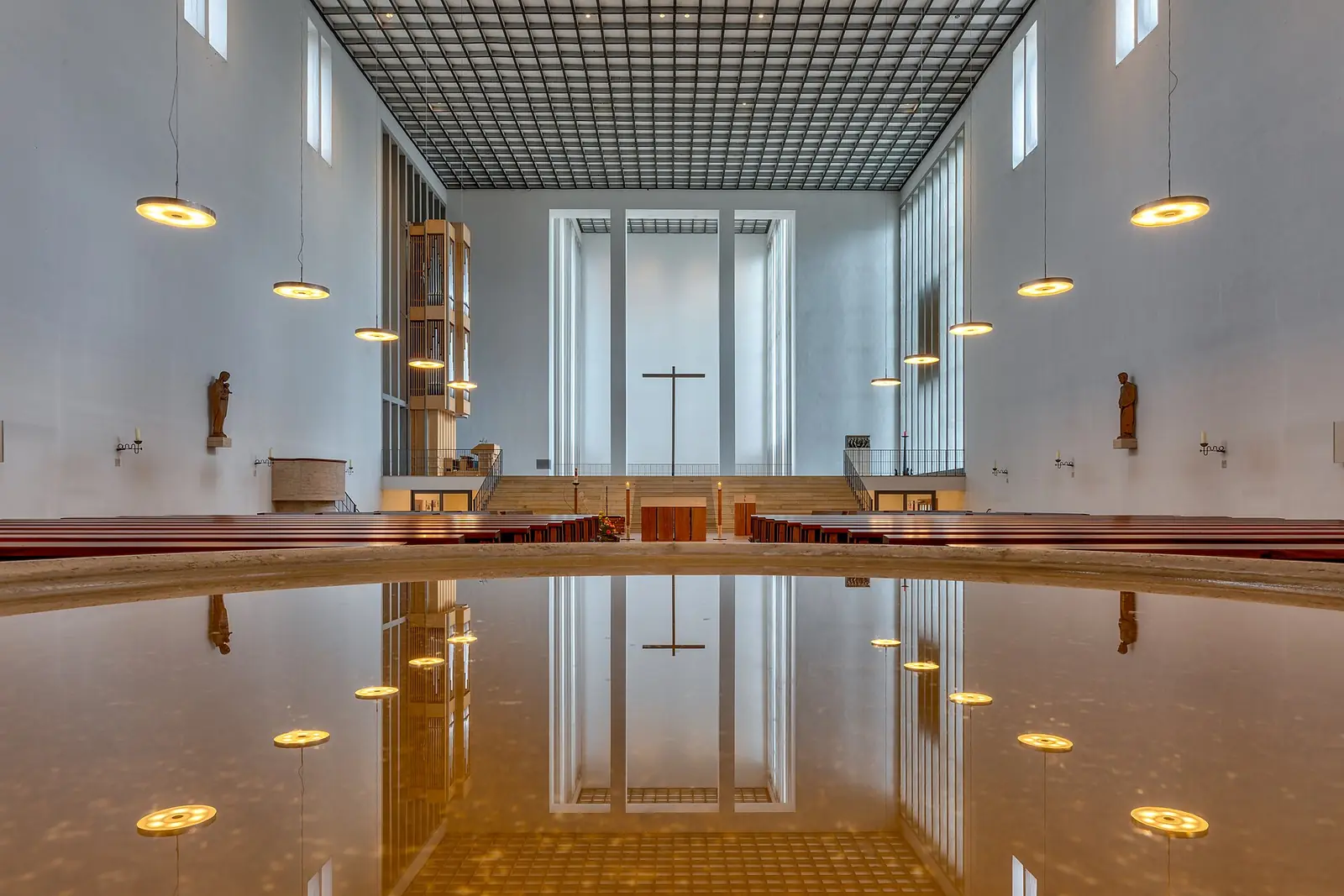
What happens in baptism
For Christian families, baptism brings together faith, belonging and hope for a life still unfolding. In the Catholic and Protestant traditions discussed here, water and baptism in the name of the Father, Son and Holy Spirit stand at the centre. The family’s happiness is part of a wider church celebration.
Different Christian traditions approach the age and preparation differently. This guide focuses mainly on families arranging an infant or child’s baptism in German Catholic or Protestant congregations. Older children and adults should ask about preparation suited to their own understanding and decision.
The overview of baptism on Wikipedia provides historical context. The Lima Document of the World Council of Churches, adopted in 1982, explores both agreement and continuing differences between churches. For a particular celebration, begin with the community where it will take place.
The baptism meeting: bring questions, not a performance
If you have not been to church for a while, making the first call can feel surprisingly difficult. You can simply say, “We would like to talk about baptism for our child, and we are not sure where to begin.” You do not need to know the service beforehand.
Think together about why you want baptism, what faith means in your household and who will help your child explore it. Mention different church backgrounds, parental consent or custody questions, and any practical support the family needs. An early, honest conversation is easier than trying to resolve a sensitive question at the rehearsal.
Which documents should you bring?
The Evangelical Church in Germany’s baptism guidance asks families to bring the child’s birth certificate, parents’ identity documents and, if available, the family record book. It also explains the permission needed when choosing another congregation. Ask your own parish for its exact list before the meeting.
Write names, addresses and dates carefully. If a document comes from another country, ask whether a translation is required before paying for one. Check where the baptism will be recorded and how you will receive the certificate afterwards.
Choose godparents for the relationship and the role
A godparent is someone who helps the child grow in Christian faith, not merely a guest with a special seat. Think about who will remain present: someone willing to listen, remember important days and take the child’s questions seriously as they grow.
Catholic and Protestant requirements differ
In the Latin Catholic Church, canons 873–874 provide for one godfather, one godmother, or one of each. A sponsor must meet specified conditions, including being Catholic, confirmed and having received the Eucharist; the usual minimum age is 16, subject to the stated exceptions. A parent cannot be the child’s sponsor.
The code also distinguishes a Catholic sponsor from a baptised Christian of a non-Catholic ecclesial community who participates alongside that sponsor as a witness. Do not assume that any friend can simply be recorded under either title. Ask the parish about the person’s circumstances and the appropriate role.
In German Protestant practice, the EKD guidance describes confirmed Protestant members aged at least 14 as eligible and also allows members of many other Christian churches. A Patenbescheinigung, obtained from the godparent’s congregation, is usually needed. Check this before making travel arrangements.
A close relative who cannot take the formal role can still offer love and practical support. Discuss a suitable contribution with the minister without presenting it as an official godparent appointment.
A practical preparation checklist
Use this sequence to keep the essentials visible. The dates and requirements come from the parish; the order below is a planning aid.
- Contact the church. Ask about preparation, available dates and whether other baptisms share the service.
- Confirm the documents. Request the exact list for parents and godparents.
- Attend the meeting. Discuss the meaning of baptism, the promises and your questions.
- Agree family contributions. Choose readings, prayers and music with the minister.
- Check practical needs. Confirm access, seating, space for a pushchair and any quiet area.
- Plan a manageable gathering. Leave time for feeding, rest and an unhurried journey.
My practical tip: make one small bag for the service itself. Put the agreed documents, spare clothes, essential baby items and any prayer sheets there. Keep it separate from food and decorations so that a relative can find what you need without unpacking everything.
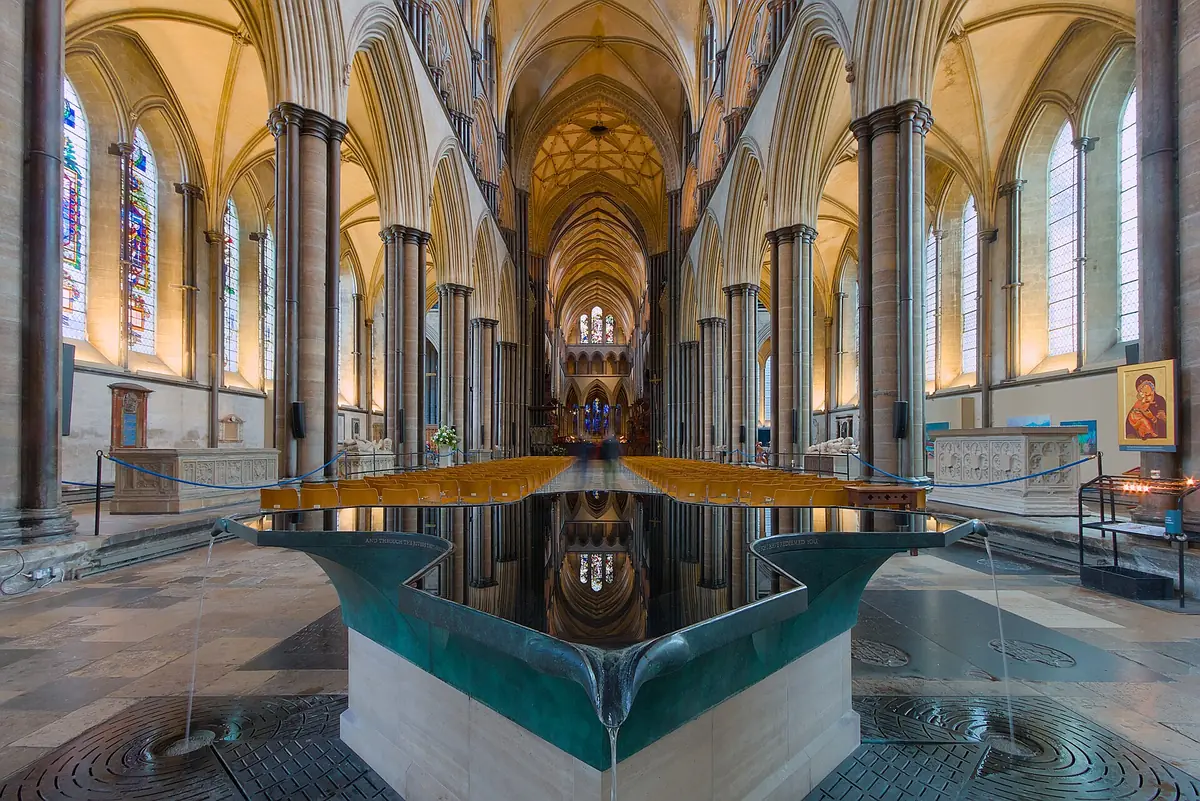
Choosing a baptism verse
A Taufspruch, or baptism verse, is especially familiar in German Protestant family practice. If your congregation invites you to choose one, read the surrounding passage as well as the single line. Ask the minister to explain anything that feels unclear.
You might look at a passage about love, guidance or hope, then ask whether its meaning can accompany the child beyond infancy. Avoid selecting only a phrase that looks attractive on a card. A simple verse you understand can become something the family returns to over time.
For prayers during the service, our guide to writing intercessions includes baptism examples. One clear request for the child and those who care for them can say more than an elaborate account of your hopes.
Help everyone feel comfortable during the service
Ask the minister to explain the sequence and the words parents and godparents will say. Find out who holds the child, where you stand and whether a candle or other items are provided. The exact order depends on the church; another family’s video is not a reliable rehearsal plan.
Give older siblings a choice about taking part. They might enjoy bringing a prepared picture, joining a response or sitting beside a familiar adult. Reading aloud should be an invitation, not a test of bravery.
Comfort matters more than a perfect photograph. Choose clothing the child can move in, allow for a change, and tell guests who is taking pictures. Agree photographs with the parish so that several people do not crowd around the font at once.
In the Catholic calendar, baptism has a particular connection with Easter. Our guide to the church year explains that wider setting. Ask how the chosen date and season will shape the service.
Let the celebration continue gently
A shared lunch, coffee and cake or an afternoon at home can be entirely enough. Choose the scale around your family’s energy and budget. You do not need to fill every hour after church with another activity.
Keep the certificate, prayer sheets and a few photographs together. Ask godparents to write a short message that the child can read later. The keepsake need not be expensive; its value lies in the people and promises it remembers.
Faith can continue through ordinary family moments and seasons, including Advent customs and services. Later celebrations have their own meaning, as explained in First Communion and Confirmation. There is time for each step.
Questions and answers
Do both parents have to be church members?
That depends on the church and the local rules. Often the key point is that at least one parent wants and takes responsibility for the child’s Christian upbringing. If parents are not, or no longer are, connected to the church, it is worth having an open conversation with the parish office rather than assuming at once that baptism is impossible.
How many godparents does a child need?
The number of godparents is regulated differently depending on denomination and region. One or two godparents are often usual, though sometimes more. More important than the number is suitability: godparents should be willing to support the child over the long term, with sincerity and warmth.
For Latin Catholic baptism, the formal arrangement is one godfather, one godmother, or one of each. Check the local requirements before inviting several people to that official role.
Can an older child or an adult be baptised?
Yes. Baptism is not limited to babies. For older children, teenagers and adults, there is usually age-appropriate preparation in which faith, baptism, the church community and personal decision are discussed. That is when the person’s own conscious step comes more clearly to the fore.
What remains important after the baptism day?
Baptism unfolds in everyday life. Talk about the baptism day from time to time, light the baptism candle, share the baptism verse and keep in touch with the church community. That way, a lovely celebration becomes a path on which the child can learn: I am blessed, held and invited to live in trust in God.