Why flowers in a Christian funeral are more than decoration
A simple bouquet can express something that is difficult to put into words. You do not have to choose the largest wreath or find a perfect symbolic meaning. Start with the person: a colour they liked, flowers they grew, or a restrained arrangement the family will recognise as thoughtful. If the notice requests donations instead of flowers, follow that preference.
A Christian funeral holds grief and hope together. Flowers do the same: they fade, and in fading they remind us of mortality. At the same time, blossom, bud and evergreen branches point to life, change and God’s faithfulness. Anyone who wants a clearer picture of how the church understands funerals will find a useful introduction to their meaning and order from the Evangelical Church in Germany.
The symbolism of traditional funeral flowers
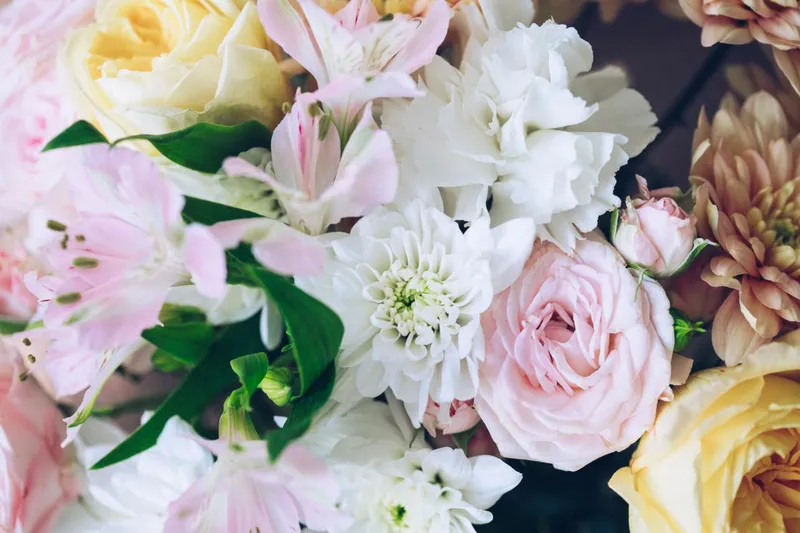
The meaning of a flower is not fixed like a code. It grows out of culture, church setting, personal memory and local custom. Still, some flowers have carried shared associations in funeral floristry for generations. Good arrangements respect those traditions without becoming stiff or formulaic.
Lilies: purity, light and the hope of resurrection
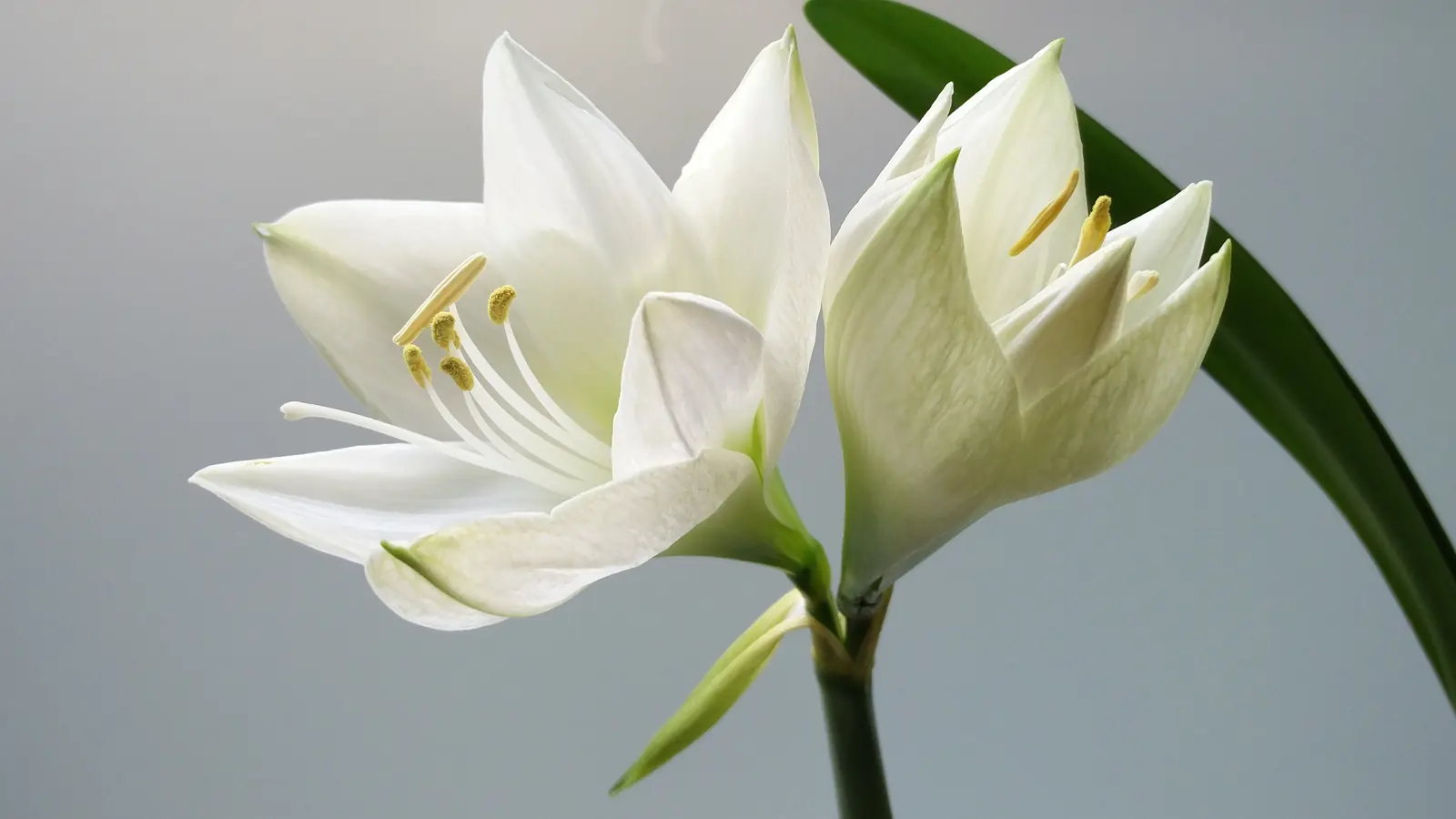
White lilies are a familiar funeral choice and are often associated with peace or Christian hope. Those associations are customs rather than a requirement to use one particular species. A family may feel closer to the person through yellow garden flowers or soft pink roses, and that can be a fitting choice too.
They also have a strong physical presence. Lilies carry a noticeable scent and need room to open properly. In a small chapel, or where relatives are sensitive to fragrance, it is worth asking the florist whether lilies should lead the arrangement or simply be used as an accent.
Roses: love, gratitude and lasting closeness
Roses can express affection and remembrance without needing a special explanation. Colour meanings vary between families and cultures, so ask whether there is a personal preference before applying a fixed code. For a sense of how the setting changes the choice, see Church wedding: which documents, conversations and steps are really necessary?. Flowers chosen for a wedding and a funeral may share varieties while serving very different moments.
In wreaths and coffin sprays, roses bring fullness and warmth. A single bouquet of roses at the grave, by contrast, can feel plain and direct, especially if the family wants a restrained service.
Chrysanthemums, carnations and evergreen branches
In many parts of Europe, chrysanthemums are classic cemetery and memorial flowers. They stand for constancy, remembrance and the dignity of farewell. Carnations can express loyalty, esteem and quiet love; they also last well and are well suited to wreaths and arrangements.
Periwinkle, ivy, fir and box point to endurance and hope. In a Christian setting, they matter because they show transience while also hinting at a life that does not simply end. You can also find more on the historical and cultural variety of Christian funeral practices in this overview of the Christian funeral.
Practical arrangements: what families should check before ordering
In the days before a funeral, many decisions have to be made quickly. That is why a clear, calm order helps. If you settle a few key points early, you avoid misunderstandings and give the florist room to create something that feels right for the service.
- Give the exact place and time of the service: church, chapel, viewing hall, cemetery and graveside may all have different requirements.
- Check with the parish office or funeral home which floral forms are allowed and most suitable, especially around the altar area, coffin, urn and grave.
- Decide on a basic mood: bright and hopeful, classically dignified, natural, simple or very personal.
- Mention the deceased person’s favourite flowers or colours, but allow for alternatives if the season, durability or the space makes that necessary.
- Check ribbon wording carefully: names, forms of address and religious phrases should be correct and dignified.
- Clarify delivery, setup and what happens afterwards, so the flowers arrive on time and can be moved to the grave after the service without confusion.
When arranging funeral flowers in Vienna, ask the florist to confirm the actual handover location and arrival time with the funeral organiser. Do not assume delivery to a cemetery is automatically available or that the public entrance is where tributes should go. Keep the name of the deceased, the ceremony date and the hall or chapel together in one written instruction.
Ribbons, wording and religious language
The mourning ribbon is a small detail, but it carries weight. It links the flowers with a personal message. Traditional wording such as “With love”, “With gratitude”, “Rest in peace” or “God keep you” is simple and dependable. Families with a strong church background sometimes also choose “In God’s peace”, “The Lord is my shepherd” or “Until we meet again in God’s eternity”.
What matters is that the words fit the relationship. Not every family wants explicitly religious wording, even if the service takes place in church. On the other hand, a Bible verse can be deeply comforting if it mattered in the life of the deceased. If you want another example of how church language and family custom come together, see “Advent in church: customs, services and ideas for families explained clearly”.
After the service: flowers at the grave
Ask who will move the flowers after the service and whether every arrangement should go to the grave. A large spray may need a vehicle or more than one person to carry it. If relatives want to take a small bouquet home, agree that before arrangements are loaded, particularly when several families are travelling separately.
Arrange who will remove faded flowers and packaging once the family has gone home. There is no need to decide on permanent planting immediately. One named person and a manageable next visit can be enough. If you are coordinating different services, the guide to church flowers for weddings, baptisms and funerals explains the practical differences.
A Vienna delivery detail that is easy to miss
Friedhöfe Wien lists the Zentralfriedhof information point at Tor 2, Simmeringer Hauptstraße 234, 1110 Wien. That identifies the main entrance; it does not identify your family’s ceremony hall or the correct place for a florist to unload. Copy the venue information from the funeral arrangements and ask the organiser to confirm it.
Write a short, usable flower brief
An example could read: “One low arrangement in cream and green, total agreed budget including delivery, for the named hall and ceremony. Please confirm the latest handover time and who will receive it.” Add the deceased person’s name, date, contact number and ribbon wording on separate lines. These are planning details, not a standard delivery promise or price.
My practical tip: ask one trusted relative to check the names and ribbon text with you. It is easy to miss a letter when you are tired, and sharing that small task can be a relief. If you are also writing a prayer, the examples in writing intercessions can help you keep the words simple and personal.
Questions and answers
Which flowers are most suitable for a church funeral?
The best funeral flowers are the ones that express dignity, comfort and personal closeness. Common choices include lilies, roses, chrysanthemums, carnations, hydrangeas and evergreen branches. More important than the exact variety is the overall effect: colour, shape, size and placement should suit the church, the liturgy and the deceased.
Can you use favourite flowers even if they are not traditional funeral flowers?
Yes. Favourite flowers can be especially comforting because they reflect the person themselves. Sunflowers, wildflowers, tulips or garden roses can look very dignified when arranged with care. The florist should check whether they suit the season, will last well enough and fit the church setting.
Is white floral decoration always the best choice?
White is a very safe and theologically fitting choice because it suggests peace, light and the hope of resurrection. But it is not required. Warm natural shades, soft pink, green, violet or even stronger colours can work well if they match the character of the deceased and the atmosphere of the service.
Who decides what may be placed in the church?
Usually, the family, funeral director, florist and parish coordinate with one another. The parish office, sexton, verger or the relevant cemetery administration can explain the practical requirements. Questions about the chancel, candles, fragrance, setup times and transport to the grave are especially important.
Are funeral wreaths still appropriate today?
Yes, if they are chosen with care. The wreath remains a strong Christian and cultural symbol of eternity, completion and enduring fellowship. At the same time, arrangements, coffin sprays, urn decorations or single flowers can be just as dignified. What matters is choosing the form that offers honest comfort, even if it is not the most modern one.